Case Study - 2

Aarogyam

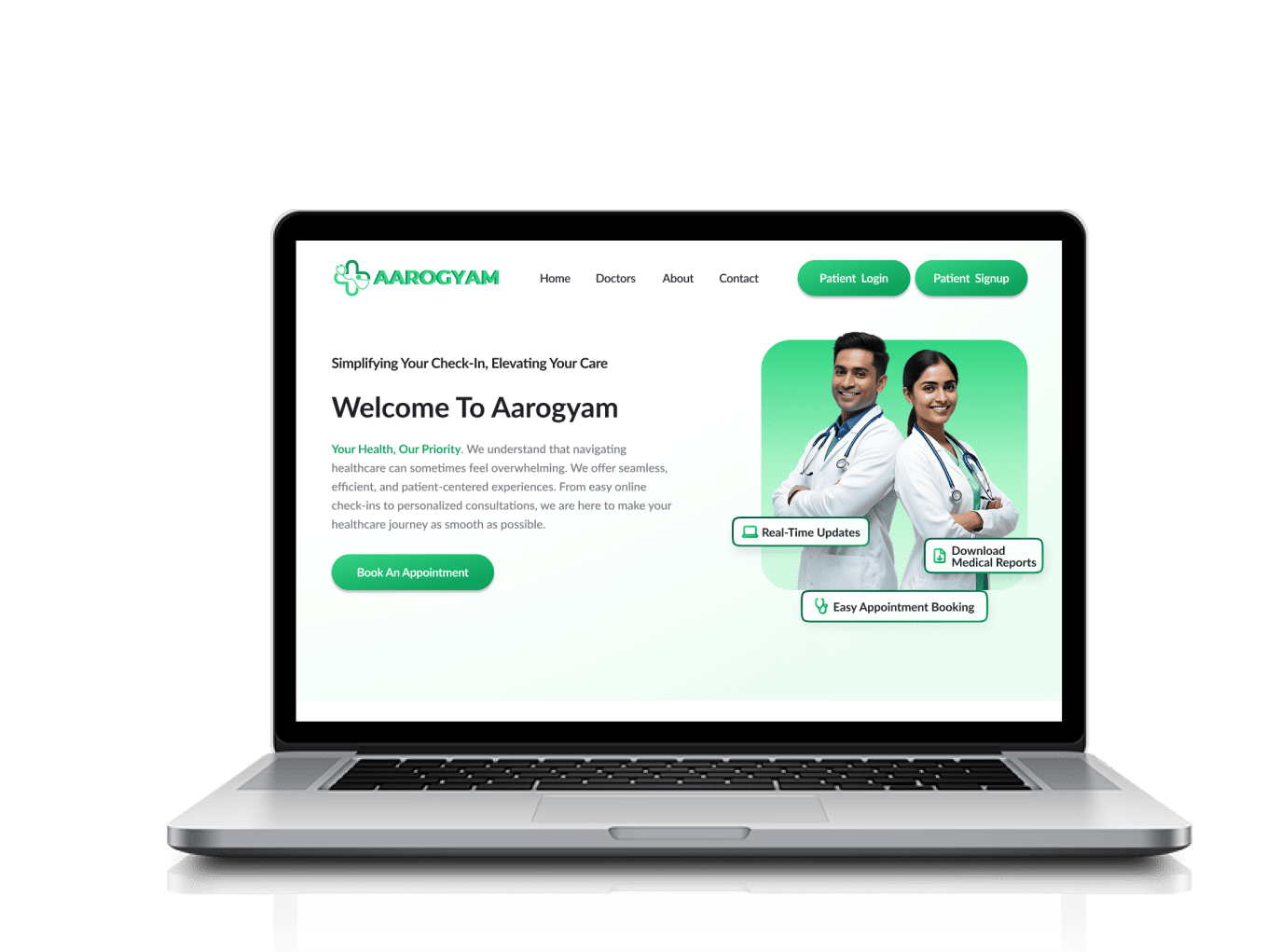
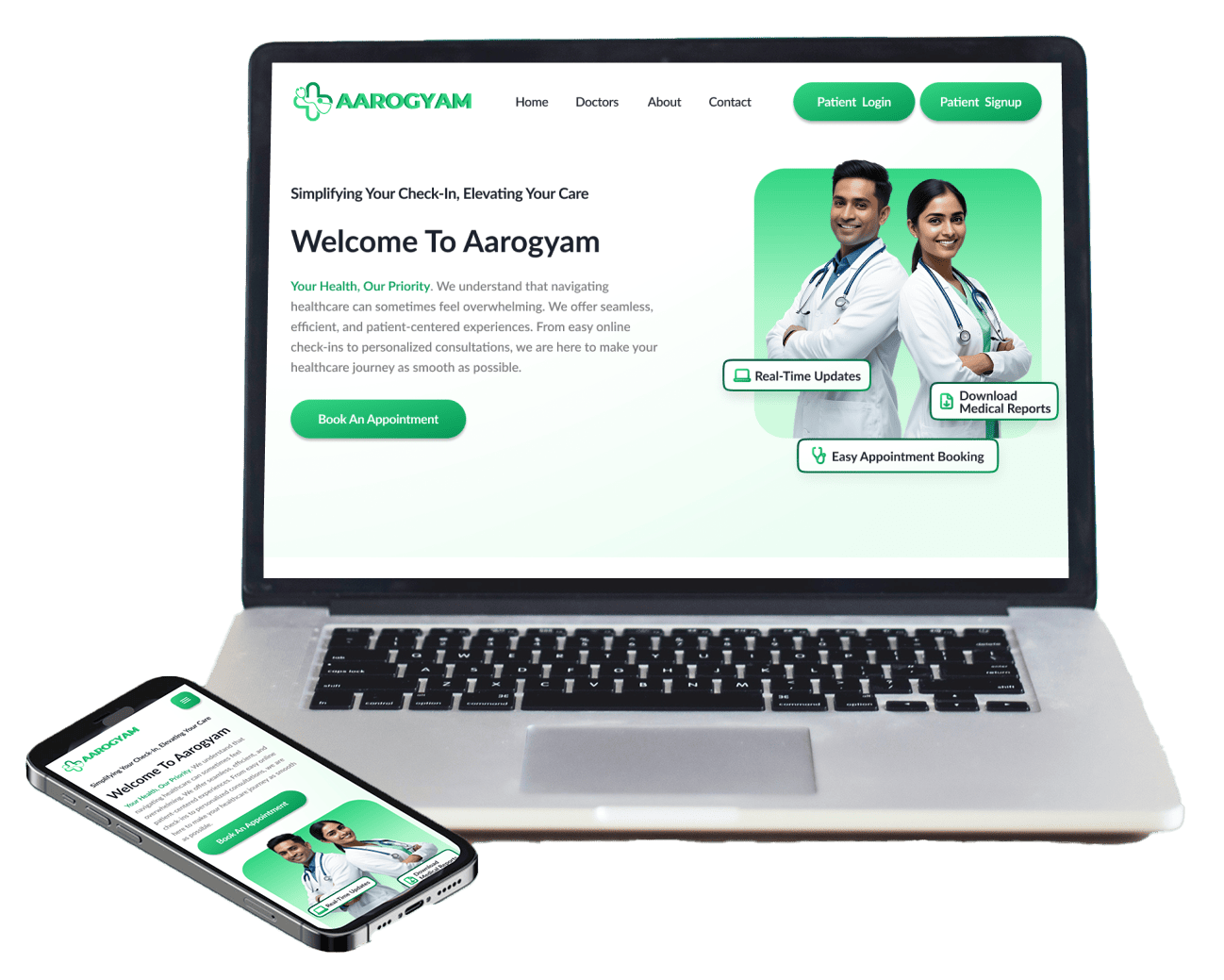
Aarogyam is Patient Check-In Portal is a modern, responsive web application designed to streamline the check-in process at family doctor offices. It allows patients to register upon arrival, provide necessary health details, and receive real-time updates all from their personal devices.

My Process

UI/UX Design Process

Understanding The User

User Research

Project Overview
Brainstorming
User Persona
User Journey

Creating Design

Designing

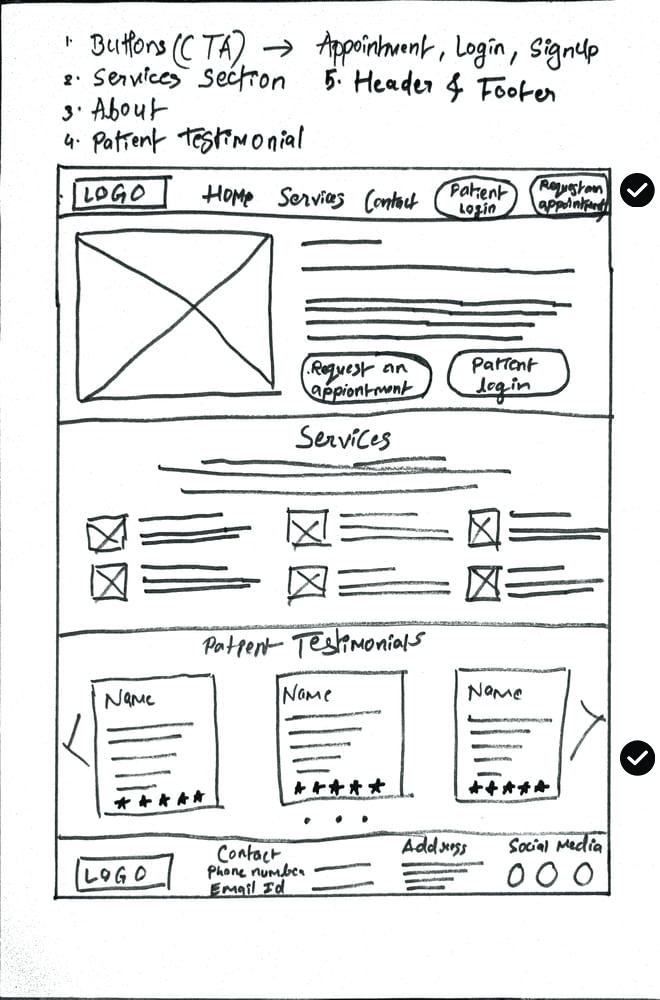
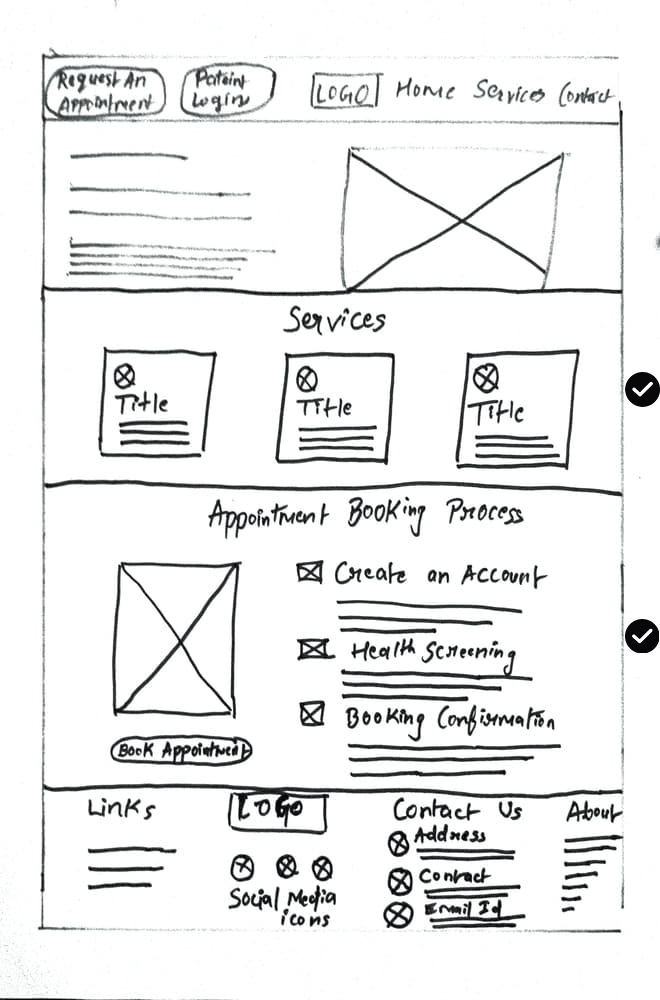
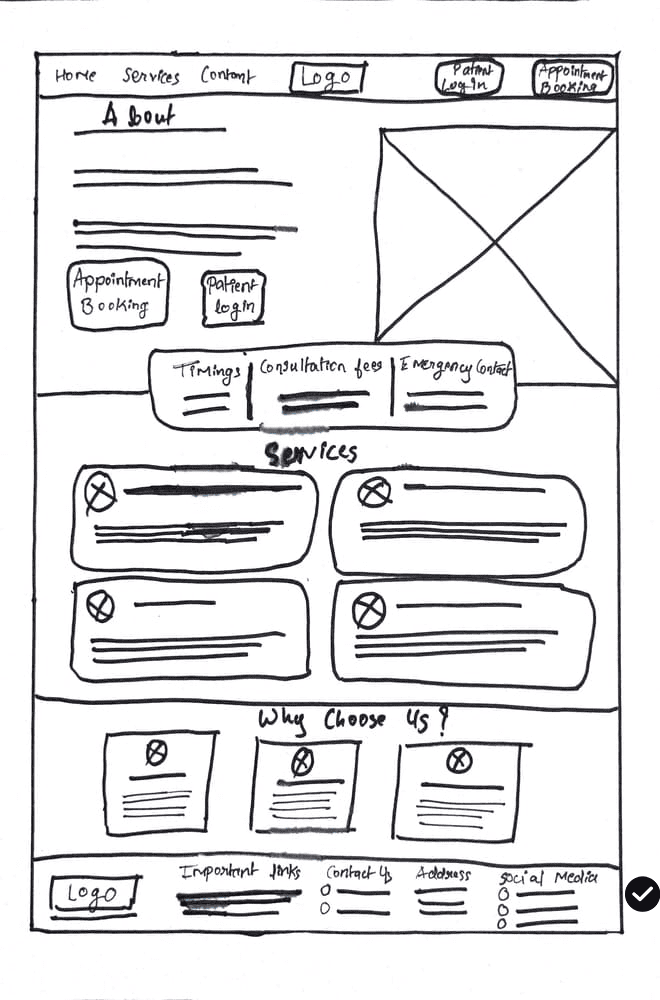
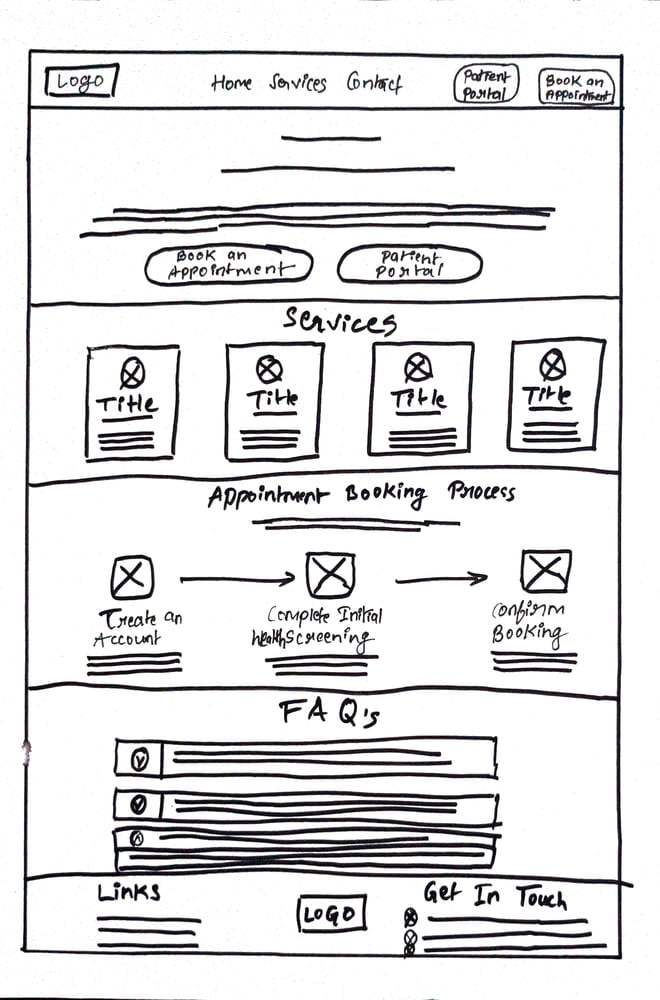
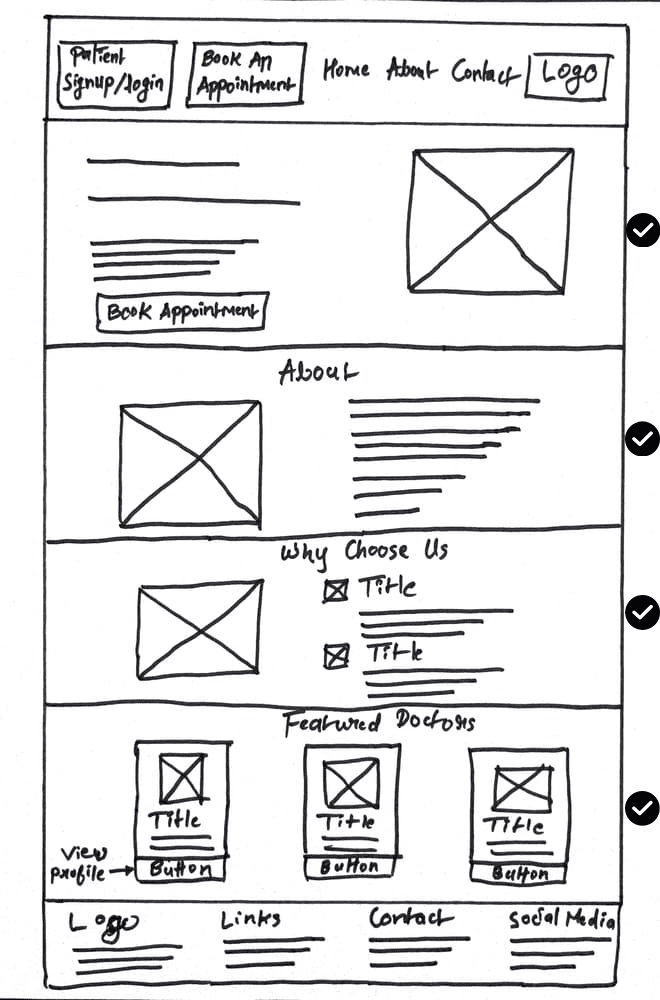
Paper Wireframes
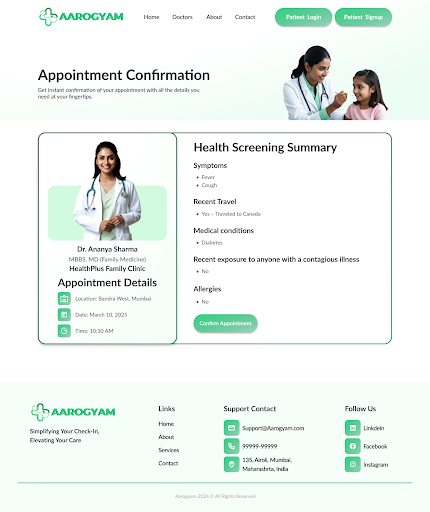
Low-Fidelity Prototype

Refining Design

Usability Study

Usability Study
High-Fidelity Prototype

Conclusion

Key Takeaways

Impact
What I Learnt

User Research

Project Overview

The Problem

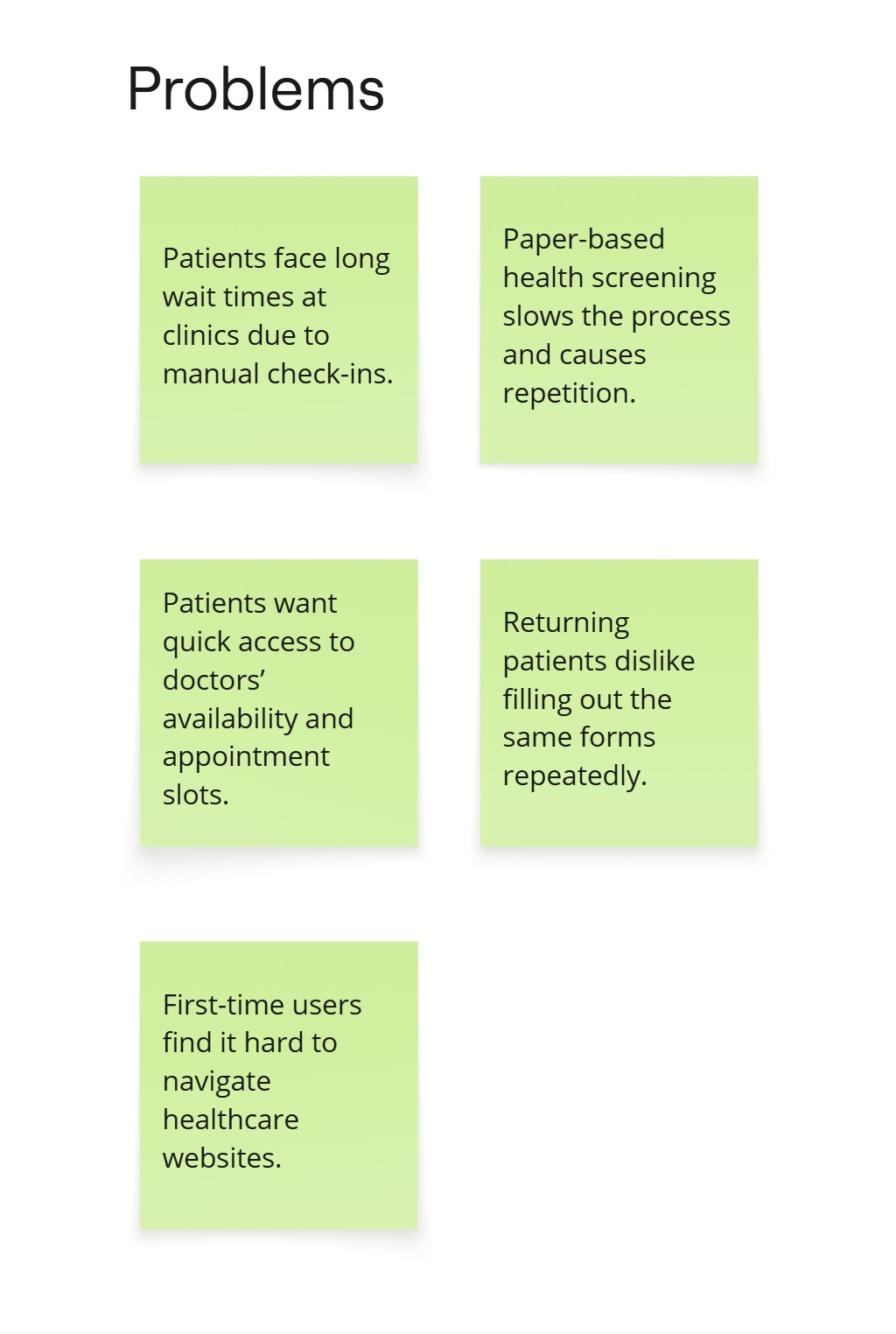
The problem I was trying to solve was to streamline the patient check-in process and initial health screenings by creating a user-friendly, responsive website that reduces wait times and improves the overall patient experience at a family doctor's office. This solution also aimed to ensure accessibility and ease of use across various devices.

Project Goals

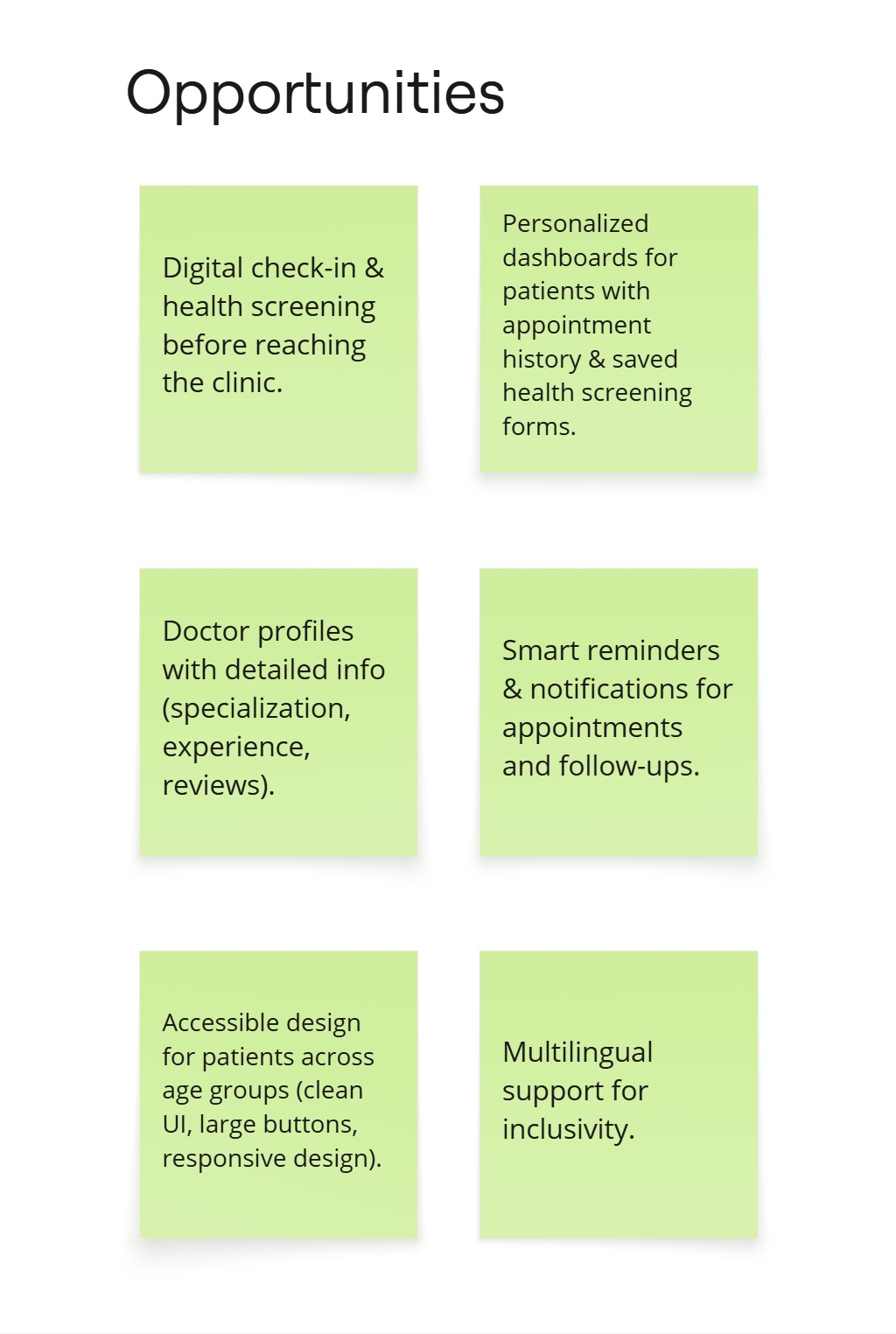
The primary goal of this project is to design and develop a responsive, patient-centered check-in website that streamlines the check-in process for family doctor visits. The system will provide a mobile-friendly, secure, and accessible platform where patients can check in, complete health screening questions, and receive real-time wait time updates.

Brainstorming

User Persona - Sunil Verma

Sunil is a retired bank clerk from Pune, finds most digital interfaces confusing and prefers simplicity. He appreciates clear, large text and step-by-step guidance on the responsive check-in website. Sunil becomes frustrated with complicated processes and values an experience that allows him to complete check-ins and health screenings confidently and independently.

“I’m not very comfortable with technology, so I need something that’s easy to understand and doesn’t confuse me.”

  • Complete the check-in process without needing to ask for help from his children or others.
  • Clearly understand the health screening questions and how to answer them.
  • Fear of making mistakes or missing something important due to his lack of familiarity with technology.
  • Websites with small text, unclear instructions, or too many steps.
Designing

Paper Wireframes

Low - Fidelity Prototypes

4 Desktop Screens + 1 Mobile Screen

Refining Design

Usability Study

To ensure a seamless and user-friendly experience, we conducted two rounds of usability studies focusing on the check-in process, appointment booking, and health screening flow.

Usability Study (Round - 1)

In Round 1, users faced challenges with navigation, readability, and frustration with repeatedly filling out the health screening form. Based on these insights, we made key design improvements.

Round 1 Findings

Lack of a clear progress indicator and visual cues in the appointment booking process.

Users could not edit entries, changes causing frustration.

Users were trapped in the appointment flow with no option to return to the previous screen.

Usability Study (Round - 2)

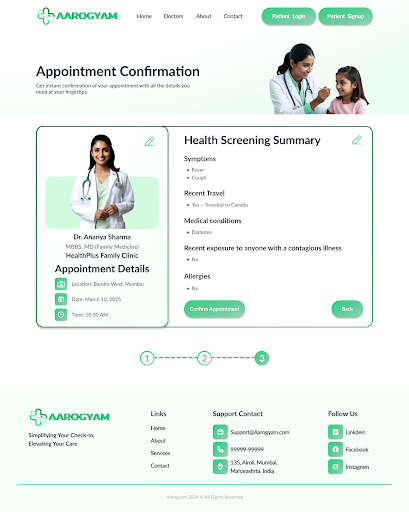
Round 2 showed significant enhancements, with users finding the navigation more intuitive, text more readable, and the overall experience smoother and more efficient.

Round 2 Findings

Providing visual guidance through progress indicators helped reduce confusion.

Edit icons were introduced for users to make last-minute changes.

The “Back” button ensured a smoother, frustration-free experience during navigation.

High - Fidelity Prototypes

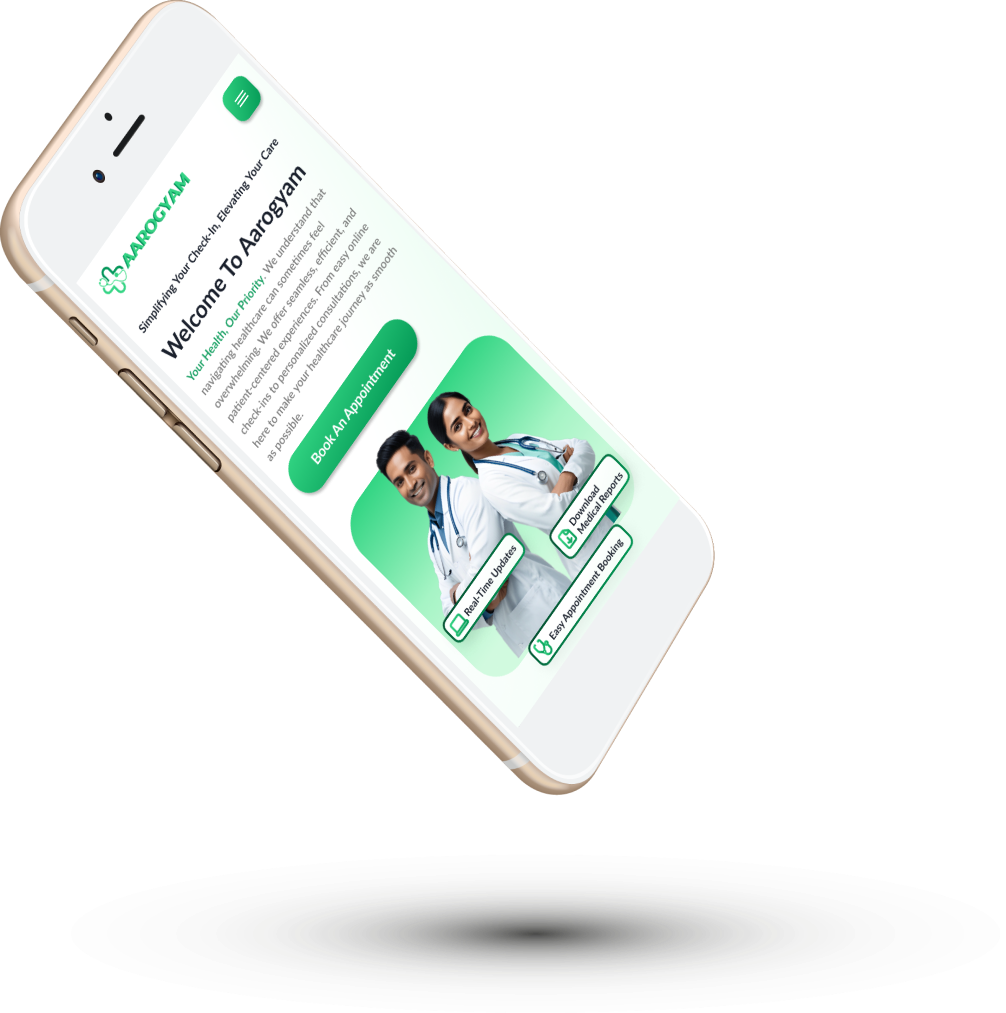
4 Desktop Screens + 1 Mobile Screen

Conclusion

Key Takeaways

Impact

This project simplified the patient check-in and appointment process, reducing waiting time and form-filling frustration. It improved accessibility, made booking faster

What I Learnt

I realized how visual cues in design like progress indicators, clear navigation, and accessibility can greatly improve user confidence.

Have Project in Mind?

Let’s Turn your Ideas
into Reality

Scroll to Top