Case Study - 3
Cookly
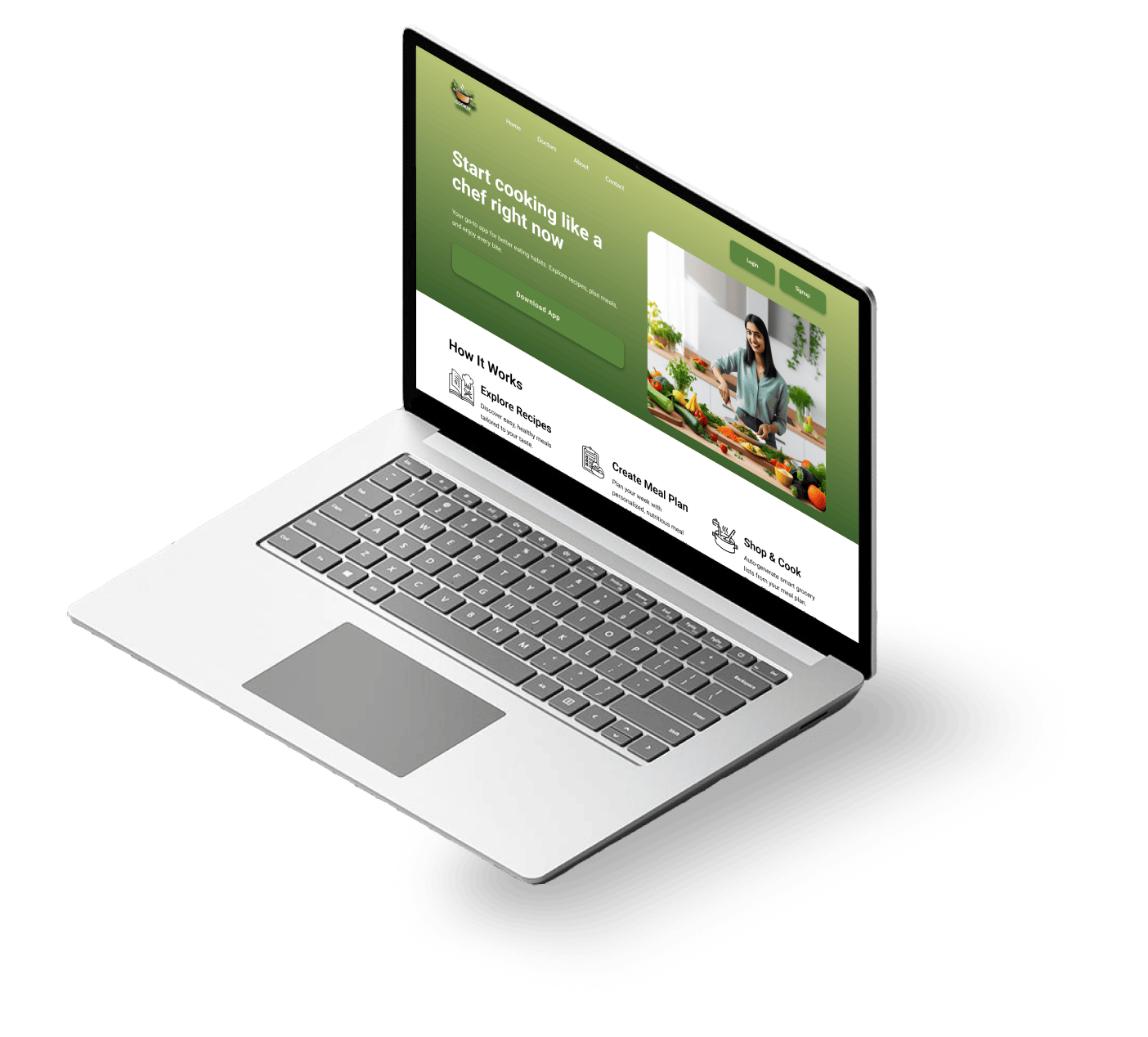
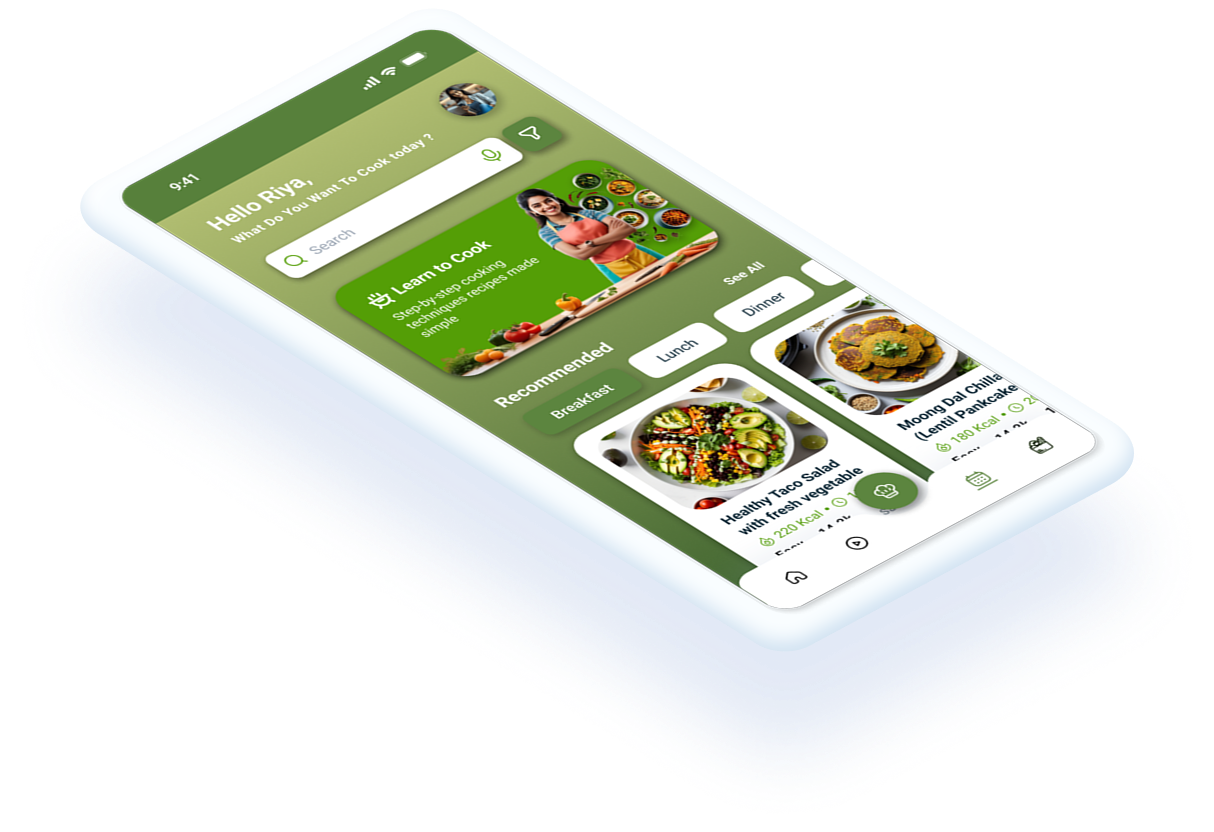
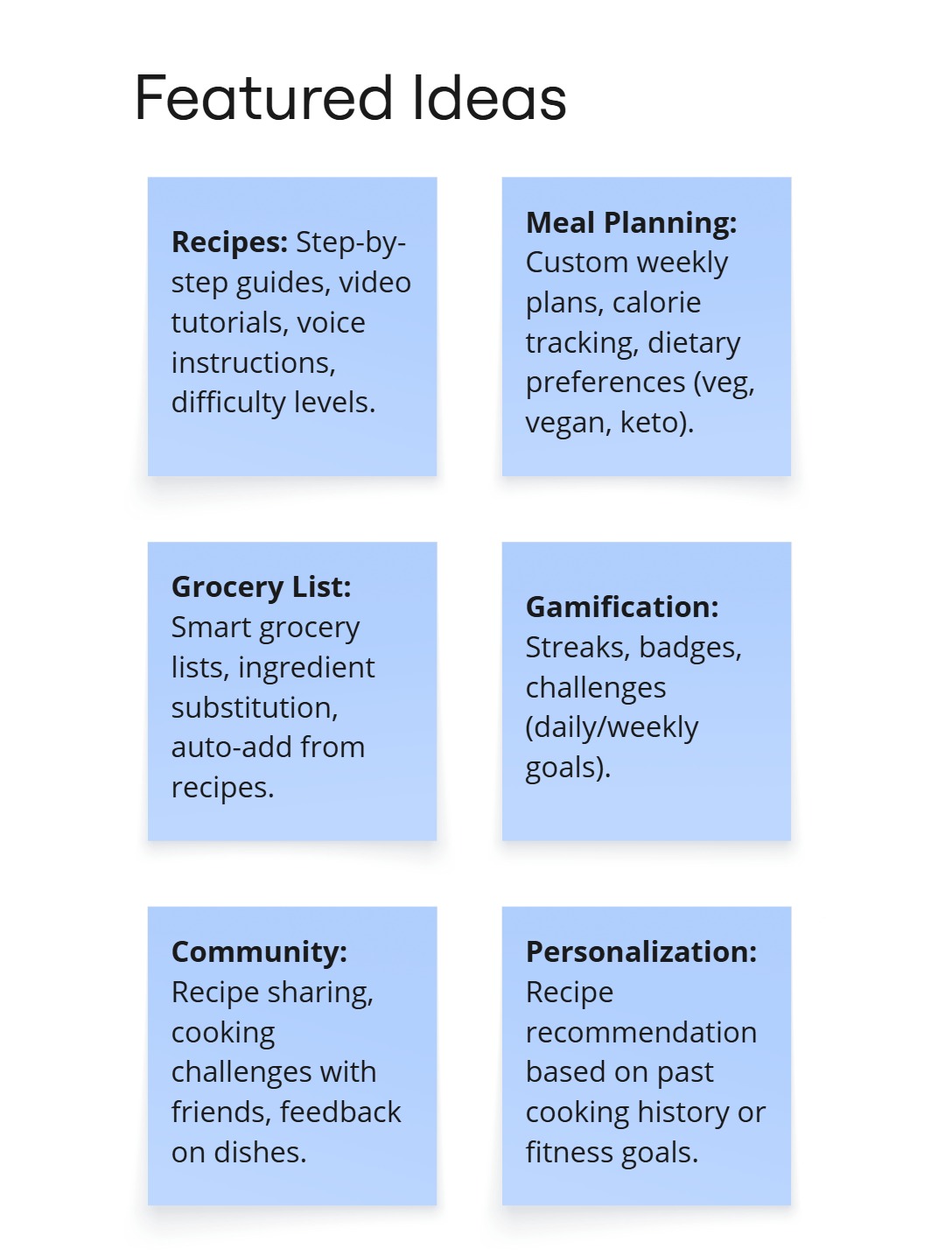
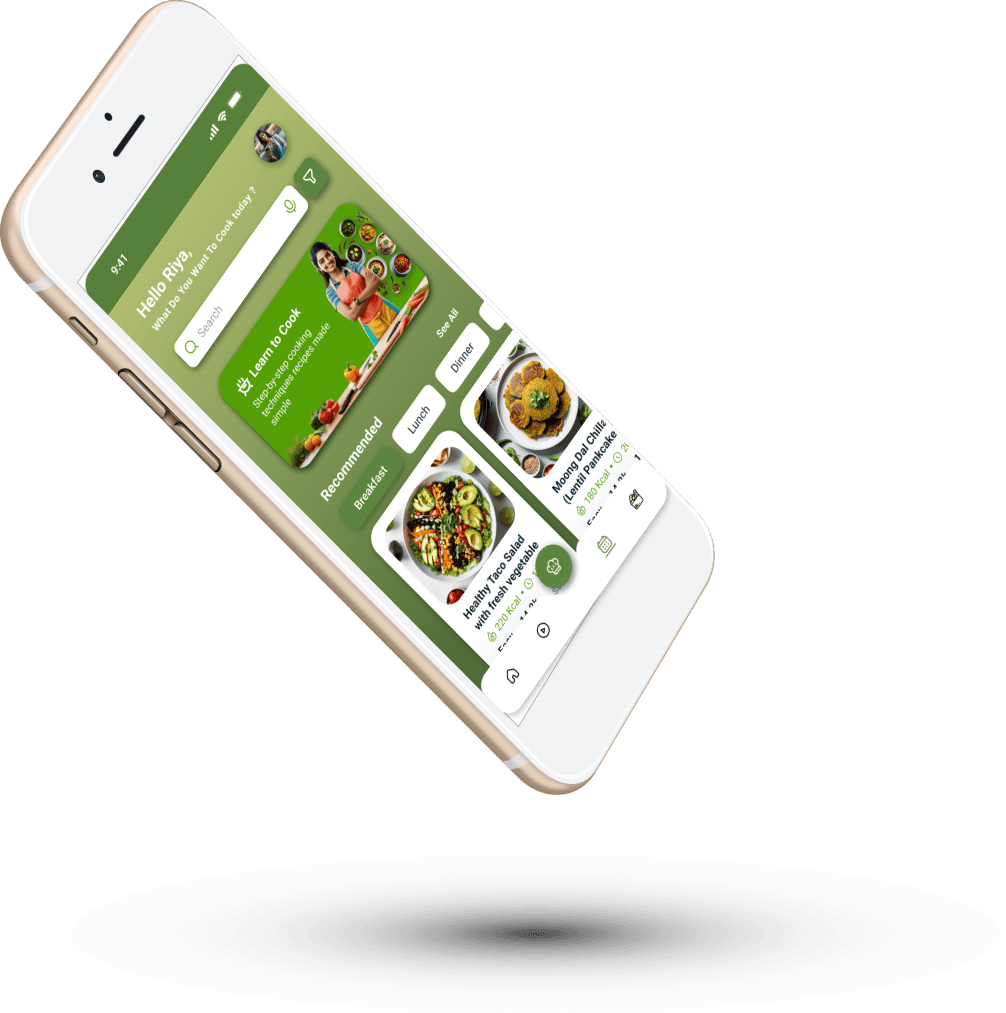
Cookly is a modern app and website that makes learning to cook easy and fun for young adults. With step-by-step video guides, personalized recipes, and smart tools like a meal planner and shopping list, it simplifies every step. Gamified challenges, achievements, and a social community keep users motivated, making cooking enjoyable even for beginners.
UI/UX Design Process
Understanding The User
User Research
Project Overview
Brainstorming
User Persona
User Journey
Creating Design
Designing
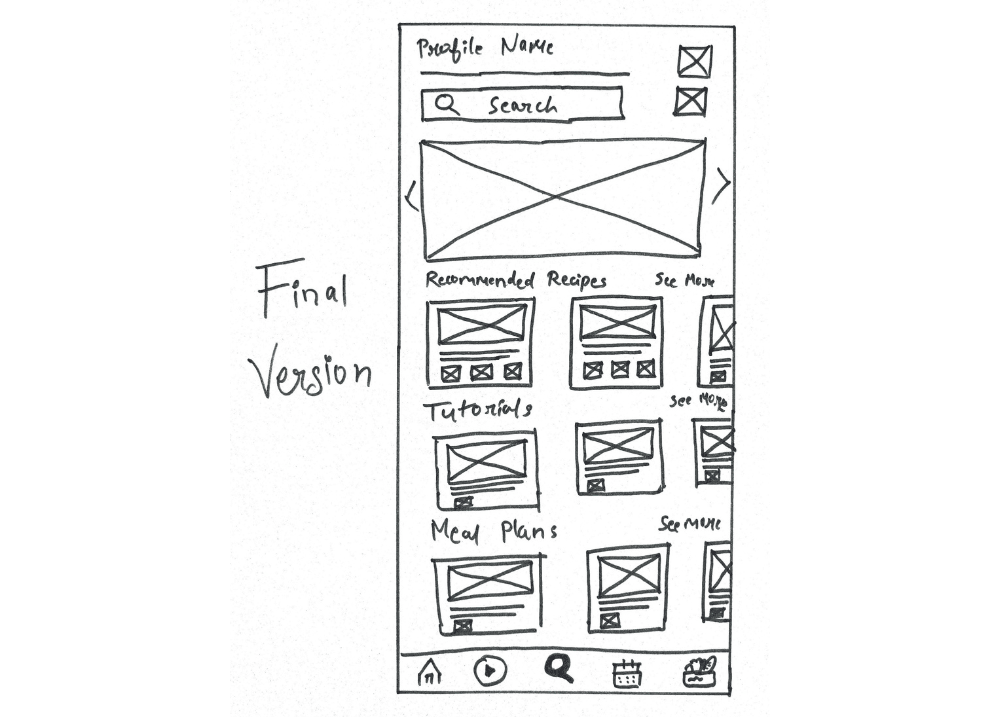
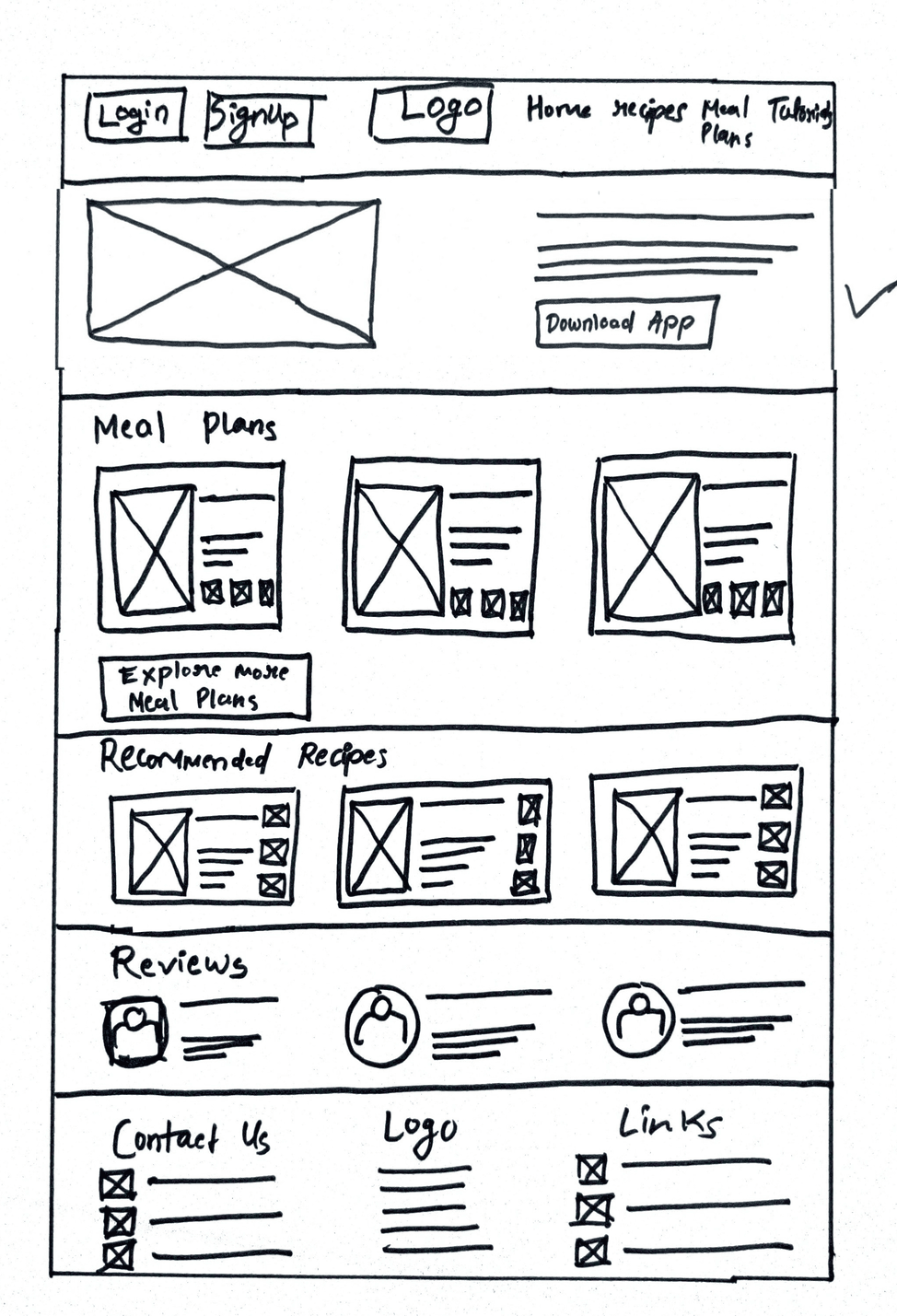
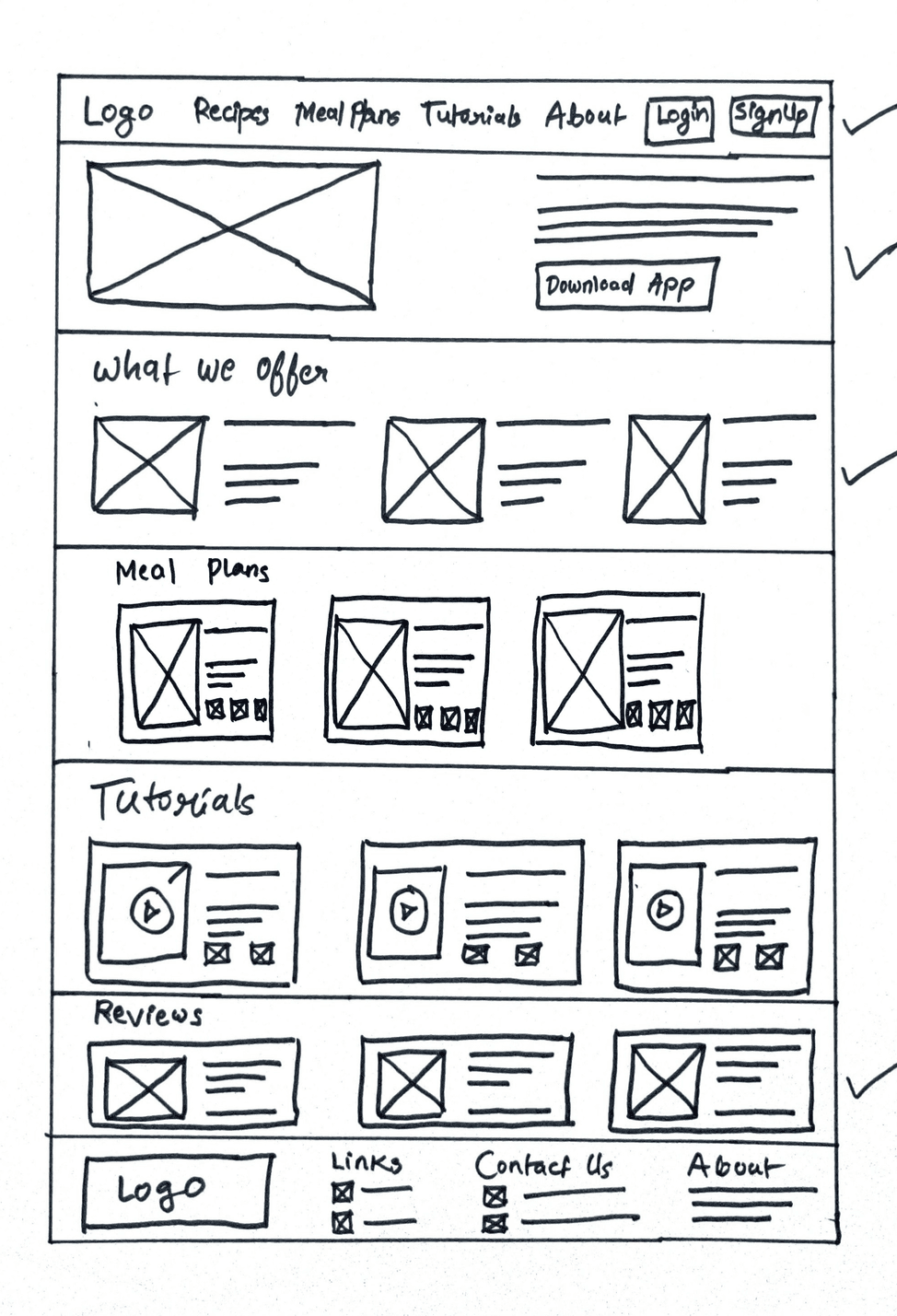
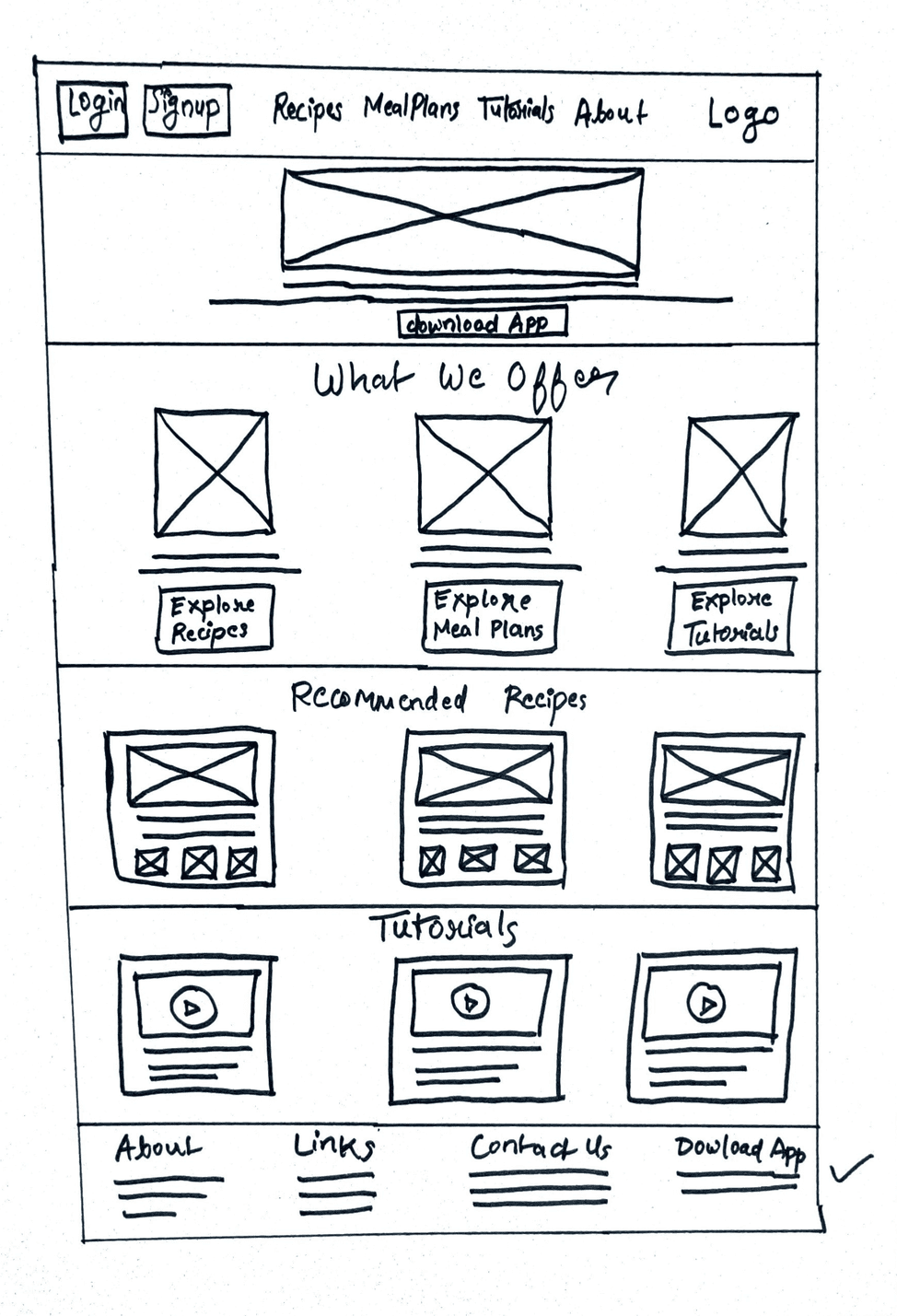
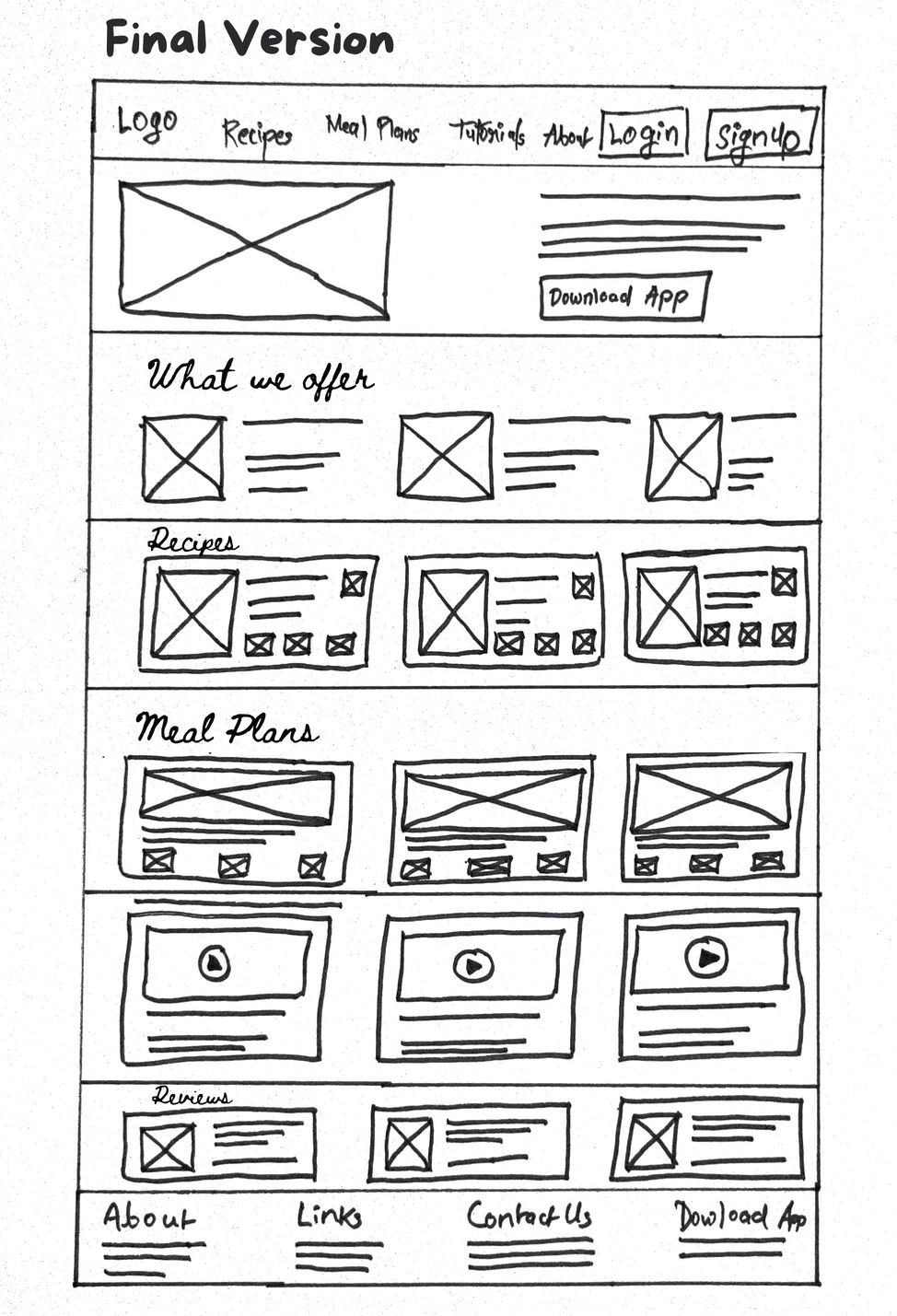
Wireframes
Low-Fidelity Prototype
Refining Design
Usability Study
Usability Study
High - Fidelity Prototype
Conclusion
Key Takeaways
Impact
What I Learnt
Project Overview
The Problem
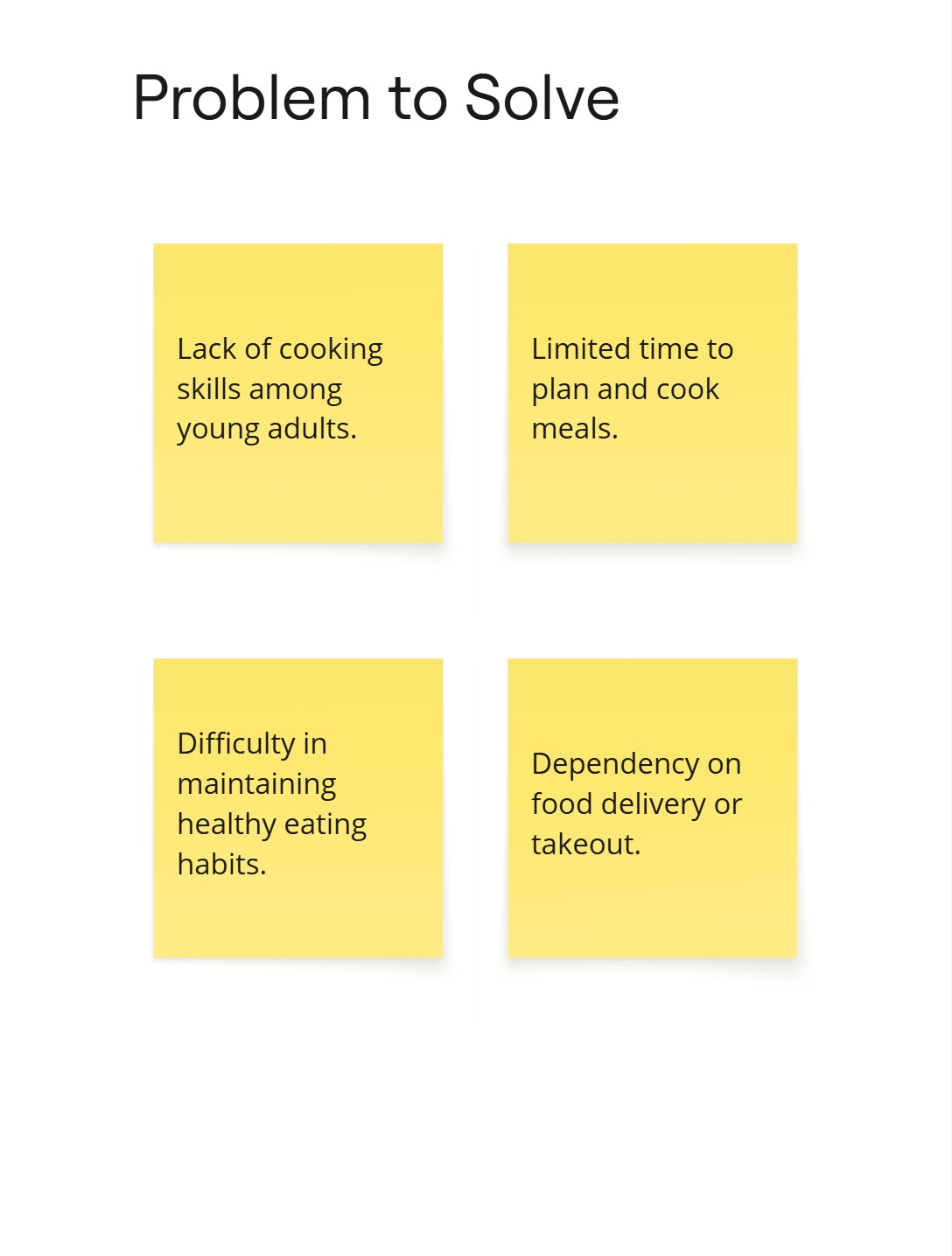
Young adults often struggle to cook healthy meals due to limited time, lack of skills, and confusion around nutrition, leading them to rely heavily on takeout or processed foods.
Project Goals
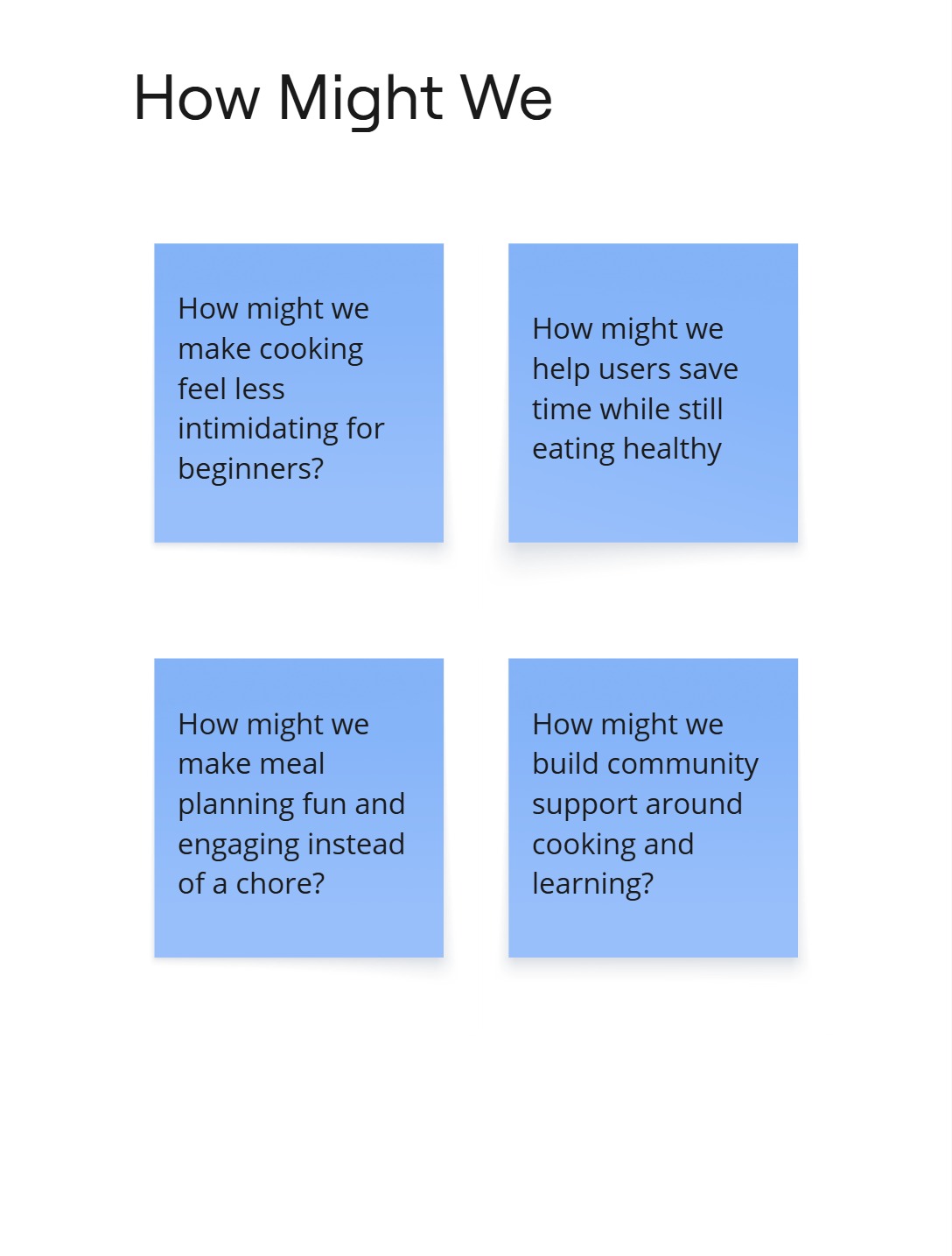
Design a simple, engaging, and motivating platform that helps them learn cooking, plan meals, and build healthy habits through step-by-step recipes, smart tools, and gamification.
User Persona - Riya Mehta
Riya Mehta, a 24-year-old software engineer in Delhi, enjoys home-cooked food but struggles to find time due to long work hours and a busy social life. She often relies on takeout or quick, less nutritious meals, and after noticing a drop in her energy, she decides to take charge of her eating habits.

“Healthy eating should fit my lifestyle, not the other way around. I want quick, delicious meals that nourish me without the hassle.”
- Age - 24
- Education - B.tech (Computer Science)
- Hometown - New Delhi, India
- Family - Single
- Occupation - Software Engineer
- Find easy meal-prep ideas for busy weekdays
- Get customized meal plans for weight management & overall fitness
- Wants to avoid unhealthy takeout food but struggles with meal planning.
- Doesn’t always know how to make traditional dishes healthier.
Usability Study
To ensure a seamless and user-friendly experience, we conducted two rounds of usability studies focusing on the check-in process, appointment booking, and health screening flow.
Usability Study (Round - 1)
The first usability study revealed gaps in user experience—participants struggled with unclear recipe details, missing cooking information, and a disjointed grocery list flow. These insights highlighted the need for better guidance and quicker task completion.
Round 1 Findings
Users couldn’t estimate how long recipes would take to prepare
Users were unsure which tools were needed until mid-recipe.
Users had to manually copy ingredients from recipes to their list.
Usability Study (Round - 2)
After implementing design improvements, users found the experience more seamless and informative. Clear cooking times, listed utensils, and one-tap ingredient additions greatly enhanced usability, efficiency, and overall user satisfaction.
Round 2 Findings
Cooking Time - Each recipe now displays total prep and cook time upfront for better meal planning.
Utensils - Recipes clearly list required utensils before starting, helping users prepare efficiently.
Grocery List - Users can now add ingredients directly from recipes to their grocery list with one tap.
Key Takeaways
Impact
The project empowered young adults to cook more confidently at home by offering easy recipes, structured meal planning, and gamified challenges. It not only encouraged healthier eating habits and reduced reliance on takeout but also built a sense of motivation and community through interactive features.
What I Learnt
I learnt to balance user needs with health, saw how gamification and community drive motivation, strengthened my UX skills in personas and prototypes, and understood that great design is about solving real problems with simple, intuitive solutions.